
HMO Management in South Wales: Maintenance and Compliance
Louis Lattuca ·
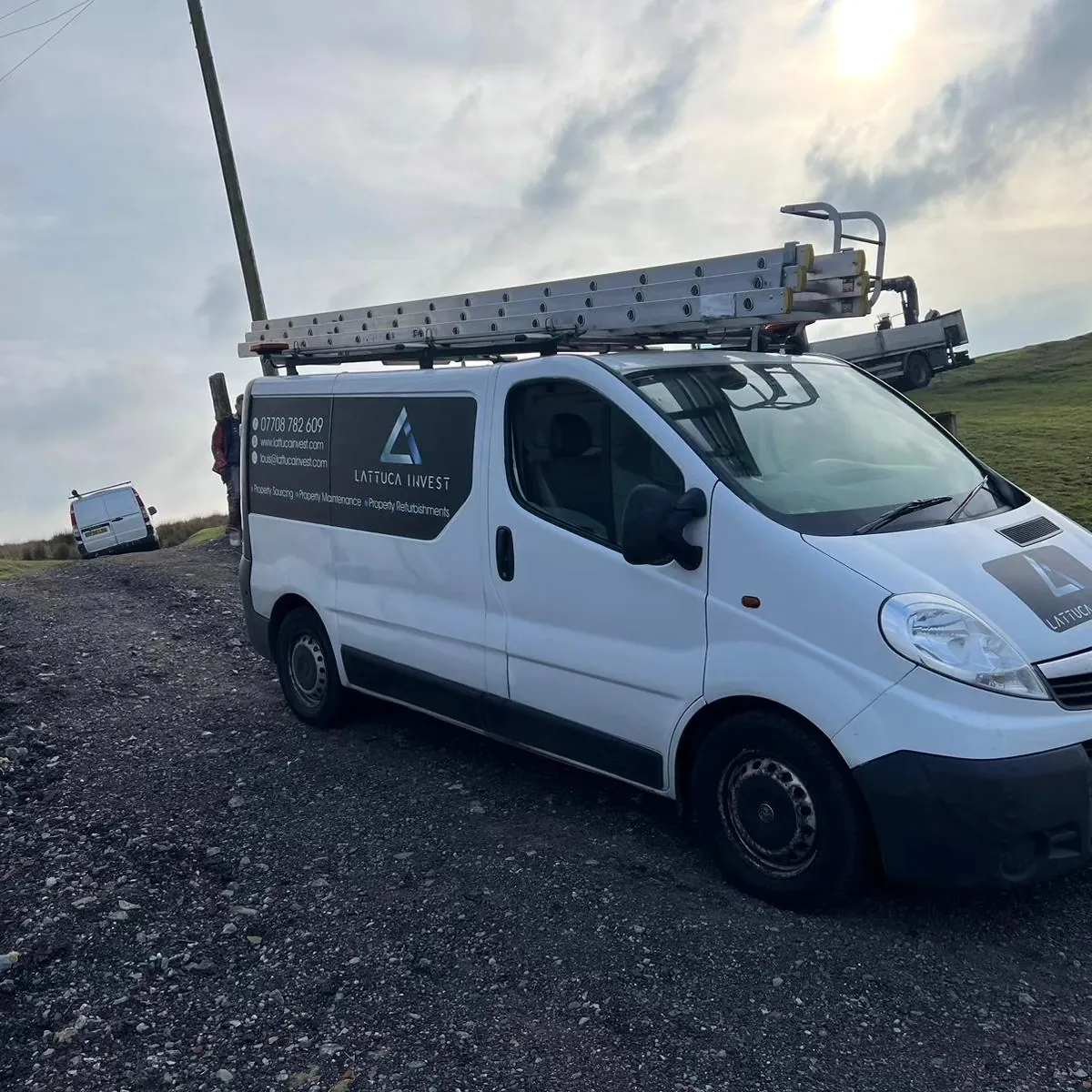
The short answer: HMO management in South Wales is mainly a routine, not a one-off job. You need the right licence where one applies, you have to meet the Welsh HMO management regulations and the Renting Homes (Wales) fitness rules, and you need a maintenance plan that spots problems before a tenant or the council does.
I'm Louis Lattuca. I've been in property for 17 years, buying since 2009, and our team has worked on 900+ projects across South Wales from our base in Cwm. To be clear about our role: we're not a letting agent and we don't manage tenancies or collect rent. We provide the maintenance and trades side for landlords, which is the part this guide covers.
What does HMO management involve in Wales?
An HMO (house in multiple occupation) is a home shared by three or more people from more than one household. Managing one has two sides.
The first is the letting side: finding tenants, occupation contracts, deposits and rent. In Wales, every landlord must register with Rent Smart Wales, and whoever carries out letting or management work needs a Rent Smart Wales licence, whether that's you or an agent.
The second is the building side: keeping the house safe, in repair and compliant. With several people sharing a kitchen, bathrooms and hallways, wear and tear builds up faster than in a single let, and the legal duties are heavier.
Does your HMO need a licence in Wales?
Under the Housing Act 2004 and the Welsh order that sets the national scheme, mandatory licensing applies to an HMO that has three or more storeys and is occupied by five or more people living in two or more households. Habitable attics and basements count as storeys.
This is where Wales differs from England. England dropped the three-storey test in 2018, so a five-person HMO of any height there usually needs a licence. Wales did not make that change.
Councils can also bring in additional licensing, which catches smaller HMOs in a set area. At the time of writing, for example:
- Swansea runs additional licensing in the Castle, Uplands, Waterfront and St Thomas wards, under a scheme that started on 14 February 2026.
- Rhondda Cynon Taf requires all HMOs across the borough to be licensed, under a scheme running from 1 April 2024 to 31 March 2029.
- Cardiff has an additional scheme in Cathays and is consulting on a new one for Plasnewydd.
Schemes change, so check the council's own HMO page before you buy or let, including in Neath Port Talbot, Bridgend and Newport. Licence conditions, such as fire safety standards, then become part of your maintenance routine.
What must an HMO manager do under the Welsh regulations?
The Management of Houses in Multiple Occupation (Wales) Regulations 2006 apply to HMOs whether or not they need a licence. In short, the manager must:
- Display the manager's name, address and contact details where occupiers can see them.
- Keep fire escape routes clear and in good repair, keep fire alarms and firefighting equipment in good working order and, in larger HMOs, display fire escape notices.
- Maintain the water supply and drainage.
- Give the council the latest gas safety certificate within 7 days of a written request.
- Have every fixed electrical installation inspected and tested at least every five years by a qualified person, and give the certificate to the council within 7 days of a written request.
- Keep the common parts, fixtures, fittings and appliances clean and in good repair, and keep each tenant's room in good repair.
- Provide suitable bins and arrangements for waste.
What do the Renting Homes (Wales) fitness rules add?
Since 1 December 2022, the Renting Homes (Wales) Act 2016 has required rented homes in Wales to be fit for human habitation, and that includes rooms let in an HMO. The fitness regulations set out specific duties for every period of occupation:
- A smoke alarm on each storey, in working order, connected to the electrical supply and linked to the other mains-connected alarms.
- A carbon monoxide alarm in working order in every room with a gas, oil or solid fuel combustion appliance.
- A valid electrical condition report, normally renewed at least every five years, or sooner if the report says so.
Gas appliances also need an annual safety check by a Gas Safe registered engineer under the Gas Safety (Installation and Use) Regulations 1998, which apply in England, Scotland and Wales.
The fitness rules also take in the 29 hazards from the Housing Health and Safety Rating System, including fire, excess cold, and damp and mould. Wales differs again here: England requires a smoke alarm on each storey but not the Welsh mains-connected, linked alarms. An HMO's fire risk assessment or licence may require a fuller system.
What should an HMO maintenance routine cover?
Here's how we'd usually break it down, adjusted to the house, its licence conditions and its fire risk assessment:
- Regularly: test the fire alarms, check escape routes, fire doors and self-closers, the shared kitchen and bathrooms, and the bins.
- Every few months: inspect each room, with proper notice, for damp, mould, leaks, failing extractor fans and damaged doors or locks.
- Every year: the gas safety check and boiler service, a review of the fire risk assessment for the common parts under the Regulatory Reform (Fire Safety) Order 2005, and a check of emergency lighting where it's fitted.
- Every five years, or sooner if the report says so: a full electrical inspection and condition report, plus any remedial work it identifies.
- Before the licence renewal date: a walk-round against the licence conditions, so nothing is left to the last minute.
Planned visits like these tend to cost less than waiting for things to break, and our planned maintenance service is set up for this kind of programme.
Why do damp and mould need extra attention in an HMO?
More people means more cooking, showers and washing dried indoors. In older South Wales terraces, that often shows up as condensation and mould.
Damp and mould can make a home unfit under the Welsh rules, so trace the cause, such as a failed extractor fan, a leaking gutter or a roof defect, rather than painting over it.
How can Lattuca Invest help with HMO maintenance in South Wales?
We're a property maintenance company working for landlords, letting agents, councils, housing associations and property companies across South Wales, with a team of 50+ staff. For HMO landlords and their managing agents, that covers:
- Electrical work, including rewires and EICRs.
- Gas and boiler work by Gas Safe registered engineers.
- Building work, plastering, windows and doors, and locksmith work.
- Drainage, fencing and landscaping, and general handyman jobs.
You can see how we work with landlords on our landlord maintenance page, or browse the full range of trades on our property maintenance page.
We work alongside you or your agent so repairs and safety checks get done and recorded.
Thinking of buying or converting an HMO?
If you haven't bought yet, factor the compliance load into the decision. I've written about choosing between an HMO or a single let in South Wales.
If you'd like someone experienced to review an HMO deal with you before you commit, that's part of what we cover in property mentoring.
How do you get a quote for HMO maintenance?
Tell us about the property, the town, the number of rooms and what you need, from a one-off repair to a planned programme. Request a maintenance quote and we'll come back to you.
Frequently asked questions
Do all HMOs in Wales need a licence?
No. Mandatory licensing covers HMOs of three or more storeys with five or more people in two or more households. Some councils, including Swansea, Cardiff and Rhondda Cynon Taf, also license smaller HMOs in set areas, so check the council's HMO page.
How often does an HMO need an electrical inspection in Wales?
At least every five years. The Welsh HMO management regulations require the fixed electrical installation to be inspected and tested at intervals of no more than five years, and the fitness rules require a valid electrical condition report.
Do smoke alarms in a rented home in Wales have to be mains-connected?
Yes. The Renting Homes (Wales) fitness rules require a working smoke alarm on each storey, connected to the electrical supply and linked to the other alarms. An HMO's licence or fire risk assessment may require more.
Is Lattuca Invest an HMO letting agent?
No. We don't manage tenancies or collect rent. We provide maintenance, repairs, safety checks and planned maintenance for landlords and their agents across South Wales.
Talk to us about your property
Choose sourcing and refurbishment, or maintenance for the properties you manage.
Real help, real direction.
Stuck on a deal? Personalised monthly one-to-one mentoring is built around your money, area and goals, with no big upfront fee.
Not sure yet? Book a free 30-minute call with Louis to talk about your goals and how mentoring works.