
First Buy-to-Let at 40-Plus: What a Mentor Helps With
Louis Lattuca ·
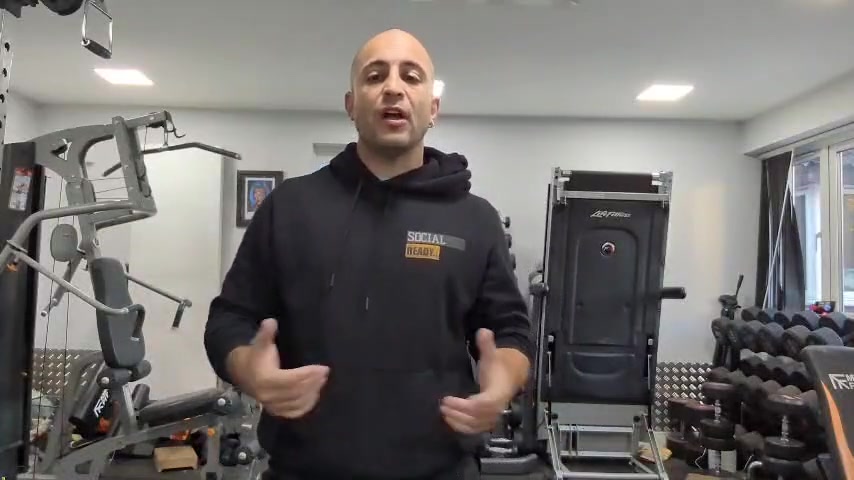
The short answer: 40, 50 or older is not too late to buy your first buy-to-let, but you have less room for an expensive mistake than someone starting at 25. Mortgage terms may be shorter, your pension and tax position matter more, and your time is squeezed by work and family. A course can teach you how buy-to-let works. A mentor helps you apply it to your own money, your own age and the actual house you're thinking of buying.
I'm Louis Lattuca. I've been in property for 17 years, buying since 2009, and our team has worked on 900+ projects from our base in Cwm, South Wales. I've got a family with kids, so I know what it's like to fit property around everything else. This is general information, not financial, tax, legal or mortgage advice.
Is 40 too late to buy your first buy-to-let?
No. Many people only have the deposit, the stable income and the confidence to invest once they reach their 40s, often with equity in their own home and more patience than they had at 25.
What does change is the margin for error. If a first deal goes wrong at 25, there's time to recover. With a mortgage, children and retirement on the horizon, a bad buy can set your plans back years. That's why the questions you ask before your first offer matter more than how much theory you know.
What changes when you start investing in your 40s or 50s?
These are the points that come up again and again with investors starting later:
- Mortgage age limits. There's no single legal age limit, but lenders set their own. MoneyHelper says buy-to-let lenders usually have a maximum age requirement of around 75, and some set lower limits. The older you are when you borrow, the shorter the term you may be offered, which affects your monthly numbers.
- Your income. MoneyHelper notes that some buy-to-let lenders want to see personal income separate from rent, typically around £25,000 a year or more, and that many want you to own your own home already. A specialist broker can tell you which lenders fit your situation.
- Tax. If you buy in your own name, you can't deduct mortgage interest from your rental income. You get a tax credit at the basic rate of 20% instead, which hits higher-rate taxpayers harder. Some investors buy through a limited company, which has its own costs and paperwork. Speak to an accountant before you decide how to own it.
- Pensions. You can normally only take money from a private pension from 55, rising to 57 from 6 April 2028. Withdrawals beyond the tax-free part are usually taxed as income. If you're 50 or over with a defined contribution pension, the government-backed Pension Wise service offers free guidance, and you should get regulated advice before using pension money for property.
- Time. If you work full time, a property that needs lots of your attention may not suit you, however good it looks on paper.
None of this rules you out. It just means planning around your age and circumstances.
What does a property course give you, and where can it stop short?
A good course can be a useful start. It can teach you the main strategies, how to work out yield and how buy-to-let mortgages work. Courses vary widely, so what follows won't apply to all of them.
Where courses can stop short is what comes afterwards. A course usually teaches a set syllabus over a fixed period. It can't know your age, when you plan to retire, what you have saved or which house you're looking at. Once the course ends, you're often left to make the decision on your own, and that's where many people stall.
I've written a fuller comparison of a property mentor vs a property course if you want to weigh the two side by side.
What does a mentor help with that a course doesn't?
A mentor works with you over months on real decisions. For someone buying a first buy-to-let at 40-plus, that tends to mean:
- Choosing a strategy that fits your timescale and how much time you have, rather than the one that sounds exciting.
- Reviewing actual deals before you offer: the purchase price, the works, the rent and the costs that get missed.
- Introductions to lenders and specialist brokers who deal with older borrowers and first-time landlords.
- Guidance on builders and insurance, so you're not relying on the first quote you get.
- Someone to ask when you're unsure, before a small worry becomes an expensive mistake.
A mentor isn't a regulated financial adviser, broker, solicitor or accountant, and mortgage, pension and investment advice should come from someone authorised to give it. What a mentor adds is experience on the ground.
If you'd like to see what that looks like in practice, I've set out what a property mentor does over a typical month.
Why consider South Wales for a first buy-to-let?
Our mentoring members can be anywhere in the UK. South Wales won't suit everyone, but it deserves a look if you're starting later and want a lower entry price. The official UK House Price Index from the ONS and HM Land Registry has long shown average prices in Wales below the UK average, which can mean a smaller deposit. Lower prices don't automatically make a better investment, so every deal still needs checking on its own numbers.
The rules are different from England, so you need to understand them before you buy. In Wales you pay Land Transaction Tax rather than Stamp Duty Land Tax, and higher rates usually apply if you already own a home. Every landlord must register with Rent Smart Wales, and whoever manages the property needs a Rent Smart Wales licence. Since 1 December 2022, tenancies have been replaced by occupation contracts under the Renting Homes (Wales) Act 2016.
If you live a long way away, behind the mentoring is a team of 50+ staff covering sourcing, refurbishment and maintenance across South Wales. You can also come on a free tour day from our Cwm office, visiting live project sites.
How does mentoring with Lattuca Invest work?
Mentoring is £599 a month, with a three-month minimum, then rolling monthly. It's open to investors across the UK. You get support from me and our partners, deal reviews, two 45-minute video calls a month, WhatsApp support on working days, introductions to lenders and specialist brokers, and guidance on insurance and builders.
I was never course-trained. I grew up in a single-parent household on a council estate with no funding, and I learned by doing. I'm also a Commonwealth Games silver medallist who boxed for my country. We've worked with hundreds of investors, 95% of our clients buy more than one property, and we're rated 4.8 on Google. If I think a deal, or mentoring itself, isn't right for you, I'll tell you.
How do you get started?
If you're in your 40s or 50s and you've been meaning to buy a first buy-to-let for years, apply for mentoring and tell me where you are. I'll come back to you.
If you'd rather talk first, you can book a free 30-minute call with me from the property mentoring page, with no obligation.
Frequently asked questions
Is 40 too old to start investing in property?
No. Many people start in their 40s or 50s, once they have a deposit and steady income. The main differences are shorter mortgage terms, pension and tax planning, and less time to recover from a poor first buy.
Is there an age limit for a buy-to-let mortgage?
There's no single legal limit. Lenders set their own, and MoneyHelper says buy-to-let lenders usually have a maximum age of around 75, with some lower. A specialist broker can check which lenders fit your age and income.
Do I need a course before I buy my first buy-to-let?
Not necessarily. A course can teach the basics, but many people still get stuck applying them. A mentor works with you on real deals, which can help if you're short of time and want a second opinion.
Can I be mentored if I don't live in Wales?
Yes. Mentoring is open to investors across the UK. Calls are by video and support is by WhatsApp on working days, and you can join a free tour day from our Cwm office if you'd like to see the area.
Talk to us about your property
Choose sourcing and refurbishment, or maintenance for the properties you manage.
Real help, real direction.
Stuck on a deal? Personalised monthly one-to-one mentoring is built around your money, area and goals, with no big upfront fee.
Not sure yet? Book a free 30-minute call with Louis to talk about your goals and how mentoring works.