
Cost to Refurbish a Terraced House in South Wales
Louis Lattuca ·
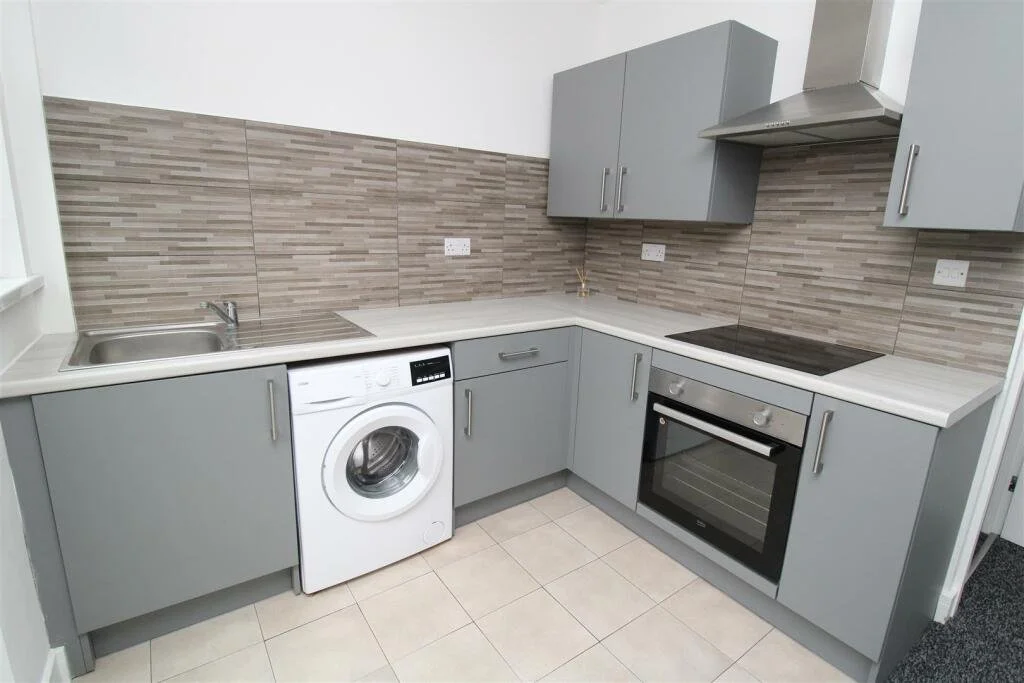
The short answer: it depends far more on the condition of the house than on its size. A terrace that only needs a new kitchen, bathroom and decoration costs a fraction of one that needs a rewire, damp work, a new roof and replastering throughout. As a national guide, Checkatrade's house renovation cost guide (last updated October 2026) puts a full renovation of an average three-bed house in the UK at £43,530 to £110,350 plus VAT. That total includes items many terraces won't need, such as a kitchen extension and a new roof. These are typical UK-wide figures, not Welsh prices and not our prices. For the works figures on houses we have refurbished in South Wales, see our refurbishment cost page.
I'm Louis Lattuca. I've been in property for 17 years, buying since 2009, and our team of 50+ staff has worked on 900+ projects from our base in Cwm. Much of our refurbishment work is on terraced houses in the South Wales valleys. This article is general information to help you plan, not personal financial, legal or building advice.
What do national cost guides say about refurbishment costs?
National cost guides are a useful starting point if you treat them as ballpark averages, not quotes. Checkatrade's 2026 guides give these typical UK ranges for a three-bed house, all plus VAT:
- Full rewire of a three-bed house: £4,450 to £8,000 (Checkatrade rewiring cost guide, October 2026).
- New heating system, including a combi boiler and radiators: £3,000 to £8,500.
- New kitchen: £7,000 to £25,000.
- Damp proofing course: £500 to £5,000.
- New roof: £6,500 to £18,000.
- Contingency: Checkatrade suggests adding 10 to 15% to your budget for unexpected costs.
Checkatrade notes that labour rates are higher in London and the South East, so a South Wales job won't necessarily match a national average. The figure that matters for your house is a written quote based on a proper look at it.
What pushes the cost of a terrace refurbishment up?
Two terraces on the same street can need very different work. These are the things that usually make the difference:
- Age and condition. Many valleys terraces are well over a century old, with solid stone or brick walls. Hidden problems often appear once floors are lifted and plaster comes off.
- Electrics. If the wiring is old, a full rewire is often needed, and it brings follow-on work: chasing walls, replastering and redecorating. An Electrical Installation Condition Report (EICR) before you budget tells you where you stand.
- Damp. Damp in an older terrace can come from leaking gutters, defective pointing or render, raised ground levels, plumbing leaks or condensation. Finding the cause first stops you paying for treatment that doesn't fix the problem.
- Roof, chimney and render. Slipped slates, a tired chimney stack or blown render add up, and scaffolding is part of the cost.
- Kitchen and bathroom. Specification makes a big difference: a rental needs hard-wearing fittings, not showroom finishes.
- Heating and gas. A new boiler, replacement radiators or moving the gas meter all add up, and any gas work must be done by a Gas Safe registered engineer.
- Layout changes. Removing a wall or turning a two-bed into a three-bed can mean steelwork, a structural engineer's calculations and Building Regulations sign-off.
- Windows, doors and outside work. Windows, fencing, drainage and landscaping are easy to forget.
If the house needs work in nearly every room, it's a full house refurbishment rather than a refresh, planned as one job. If you're also weighing up whether to let it as a family home or a shared house, read our guide to choosing between an HMO or a single let, because an HMO usually needs a higher specification and can bring licensing requirements.
Which Welsh rules affect a refurbishment budget?
Wales sets its own Building Regulations, so don't assume guidance written for England applies. Work such as removing a load-bearing wall, replacing windows, installing a new heating system or carrying out notifiable electrical work needs to comply, either through your local authority building control or by using an installer registered with a competent person scheme, who can self-certify the work and notify the council. The Welsh Government's guidance on electrics says alterations to existing circuits in a kitchen or bathroom, or outdoors, still need to be notified, so check with your electrician before you start.
Gas work is covered across Great Britain by the Gas Safety (Installation and Use) Regulations 1998: anyone working on gas appliances or pipework must be on the Gas Safe Register.
If you plan to let the house, the Renting Homes (Wales) Act 2016 has applied since 1 December 2022, and the Welsh fitness for human habitation rules add items to your budget:
- A valid electrical condition report, with the electrical installation tested at least every five years (or sooner if the report says so), and a copy given to the contract-holder within 14 days of the occupation date.
- A working smoke alarm on every storey, connected to the mains electricity supply and linked to the other required alarms.
- A carbon monoxide alarm in any room with a gas, oil or solid fuel burning appliance installed by the landlord.
- An annual gas safety check by a Gas Safe registered engineer where there are gas appliances, and an Energy Performance Certificate of at least E unless an exemption is registered.
Damp and mould growth is the first of the 29 matters and circumstances landlords must consider when deciding whether a home is fit to live in, so fix the cause of damp properly during the works rather than covering it up. Rules change, so check the current position on GOV.WALES and Rent Smart Wales before you commit.
Why do empty months add to the cost?
The works aren't the only cost. While a house is empty you're still paying for your mortgage or finance, buildings insurance (often on an unoccupied property policy), utilities and council tax. Some Welsh councils charge a premium on homes that have been empty for a long time, so check with your local council. Keep these costs in your budget alongside the works.
How do you get a reliable refurbishment quote?
A quote is only as reliable as the information behind it. Before you compare prices:
- Get the facts first: a survey, an EICR and a check of the boiler and gas installation, so the contractor isn't guessing.
- Ask for a written scope of works, room by room, so you can compare quotes like for like.
- Check what's excluded. Making good after a rewire, skips, plastering, decoration and VAT are common gaps.
- Check registrations: Gas Safe for gas work and a competent person scheme, such as NICEIC or NAPIT, for electrical work.
- Agree stage payments linked to completed work rather than a large payment upfront.
- Make sure you'll receive the paperwork at the end: electrical certificates, gas safety certificates and Building Regulations compliance certificates where needed.
We price every job after a survey, and we agree the scope and price with you before work starts. Our team covers the trades a terrace usually needs, including electrical work and rewires, Gas Safe registered gas and boiler engineers, building work, plastering, windows and doors, drainage and fencing. You can see the work we do on our property refurbishment page, or tell us about your house through our refurbishment enquiry form.
If you're new to investing and want an experienced second opinion on a deal and its refurbishment budget before you buy, our property mentoring includes deal reviews and builder guidance for £599 a month.
Frequently asked questions
How much does it cost to refurbish a terraced house in South Wales?
It depends mainly on the condition of the house. Checkatrade's October 2026 guide puts a full renovation of an average UK three-bed house at £43,530 to £110,350 plus VAT. Our own past South Wales project figures are on our refurbishment cost page.
Do I need Building Regulations approval to refurbish a terraced house in Wales?
Cosmetic work usually doesn't. Structural changes, replacement windows, new heating systems and notifiable electrical work must comply with the Welsh Building Regulations, through building control or a registered competent person.
Should I get an EICR before refurbishing a house?
It's sensible, because it shows whether the wiring needs repairs or a full rewire before you set a budget. If you plan to let the house in Wales, you'll need a valid electrical condition report anyway, renewed at least every five years.
How much contingency should I allow for a refurbishment?
Checkatrade suggests adding 10 to 15% to your budget for unexpected costs. Older terraces can reveal extra work once floors and plaster come up, so it's worth keeping that money aside.
Talk to us about your property
Choose sourcing and refurbishment, or maintenance for the properties you manage.
Real help, real direction.
Stuck on a deal? Personalised monthly one-to-one mentoring is built around your money, area and goals, with no big upfront fee.
Not sure yet? Book a free 30-minute call with Louis to talk about your goals and how mentoring works.